jeudi 25 octobre 2012

ARIZONA MESOTHELIOMA LAWYERS


The mesothelioma lawyers at the Simmons Law Firm represent victims of mesothelioma cancer throughout the United States including the state of Arizona. We have represented thousands of families affected by mesothelioma and asbestos-related lung cancer and have seen the suffering it causes firsthand. The Simmons Law Firm is dedicated to giving our clients the respect and attention they deserve, no matter where they live.
If you or someone you love has mesothelioma, we will come to you. Over the past decade, we’ve represented many clients throughout Arizona, including families from the following locations:
  • Gilbert
  • Hayden
  • Phoenix
  • Prescott
  • Scottsdale
  • Skull Valley
  • Tempe
  • Tucson
  • Youngstown
As a nationwide firm, our asbestos attorneys have the resources and experience necessary to represent individuals and families against large companies in this complex area of litigation. Our firm has recovered over $4 billion in verdicts and settlements for thousands of families affected by mesothelioma and asbestos-related diseases. Our asbestos attorneys have recovered $130 million on behalf of mesothelioma and asbestos-related victims in the state of Arizona alone.*
* Please note that recovery results vary per client. The recovery amounts in each case reflect the specific facts of that case. Further, recovery amounts in past cases are not a guarantee of future results
You should know that Arizona has a unique set of laws that could impact your ability to file a claim. For example, Arizona has statute of limitation laws that restrict the time frame in which mesothelioma victims and family members can file a lawsuit. Rest assured our mesothelioma lawyers are prepared to help you understand the process for filing an asbestos lawsuit and guide you through the legal system. Contact the Simmons Law Firm if you have a question about a potential case.
If you have mesothelioma or lung cancer due to asbestos exposure, please contact our mesothelioma lawyers for a free case evaluation.

AN INTRODUCTION TO ASBESTOS AND MESOTHELIOMA

Asbestos is a deadly mineral that has been used in thousands of products. When microscopic asbestos fibers are inhaled or ingested, they can cause a number of diseases, including mesothelioma and lung cancer. Of the diseases caused by asbestos, mesothelioma is the most aggressive, attacking the internal lining of the lungs and abdomen. Mesothelioma typically does not develop until decades after the asbestos exposure occurred.
The following is a partial list of Arizona job sites and buildings that may have contained asbestos.  This list does not necessarily reflect current conditions.  If you are experiencing symptoms related to asbestos exposure, please consult with a physician. 
Chandler
Chandler Power Plant
Flagstaff
Southwest Forest
Glendale
Aqua Fria Powerhouse
Phoenix
Phoenix Civic Plaza
Good Samaritan Hospital
Valley Bank Building
Arizona Bank
Tempe
Kyrene Powerhouse
Arizona Public Service Plant
Tucson
University Of Arizona
Tucson Gas & Electric Company
If you or a loved one has suffered from an asbestos-related disease, please contact us today for a free legal consultation.

LEARN MORE ABOUT MESOTHELIOMA:

The majority of individuals who have been exposed to asbestos encounter the so-called "magic mineral" in their line of work, often due to inadequate safety precautions. Others are exposed to asbestos indirectly when they come in contact with the clothing of a family member involved in a high-risk asbestos occupation.
Asbestos has been widely used in many industrial products including cement, brake linings, roof shingles, flooring products, textiles, and insulation. When microscopic asbestos dust particles becomes airborne, they can be inhaled or swallowed and can cause serious health issues.
Common work environments where a mesothelioma or cancer patient may have encountered asbestos include shipyards, oil refineries, sheet metal plants, automotive plants, construction sites, and many more. Here is a complete list of occupations that have been linked to asbestos exposure.

GIVING BACK TO MESOTHELIOMA PATIENTS & FAMILIES

In 2010, the Simmons Law Firm established the Simmons Mesothelioma Foundation, a private, non-profit organization dedicated to supporting research and advancing awareness about this rare cancer. The Foundation partners with established experts and thought-leaders in the mesothelioma research field. Learn more about the Foundation's current mesothelioma research partners.
As a long-time supporter of the Mesothelioma Applied Research Foundation and the Asbestos Disease Awareness Organization, the Simmons Law Firm has an extensive history of supporting the fight against mesothelioma and cancer. The firm has also pledged over $10 million to establish the Simmons Cancer Institute at the Southern Illinois University School of Medicine. The institute provides extraordinary new resources to enhance treatments and implement the continuing search for a permanent cure. It is the largest single gift in the history of SIU and establishes the university as home to one of the leading cancer facilities in the United States.

ASBESTOS EXPOSURE IN ARIZONA TODAY

Asbestos has not yet been banned in the United States. Its use is regulated, but it is still used in products today. Asbestos has been classified by the International Agency for Research on Cancer as a human carcinogen. This assessment is supported by the International Labor Organization (ILO) and the World Health Organization (WHO), both of which believe that the future use of asbestos should be banned.
For more information about asbestos in Arizona and throughout the U.S., visit theEnvironmental Protection Agency's website.

mardi 23 octobre 2012

Mesothelioma - The Cancer Caused By Asbestos


About Mesothelioma

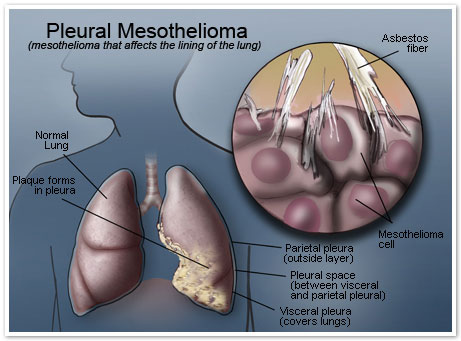
Malignant mesothelioma is a serious and rare cancer that occurs in individuals that have either inhaled or swallowed asbestos fibers.  The fibers then travel through the body and become lodged, resulting in cancer that can appear decades later. Often the outer lining of the lungs, known as the pleura, becomes diseased, resulting in pleural mesothelioma.
Pleural mesothelioma is an aggressive cancer that requires an equally aggressive treatment regimen to improve the survival chances of mesothelioma patients. Treatment for mesothelioma typically involves a multi-modal approach.  Patients may undergo surgery, followed by radiation and chemotherapy, in an effort to curb the cancer’s growth.
With no known cure for the disease, mesothelioma patients often face treatments aimed at managing the symptoms and improving their quality of life.  Once patients near their end of life, doctors often shift to palliative care which is intended to control pain, stop bleeding, relieve pressure, and to allow patients to be at home with their loved ones.
Mesothelioma is diagnosed in close to 3,000 Americans each year, and about that many victims also die from the disease each year.


(http://www.mesotheliomahelp.net/)

Mesothelioma Information


The first question that most people ask when diagnosed with mesothelioma is: "What is Mesothelioma?" Here we provide concise mesothelioma information that includes the definition of mesothelioma, its cause and history, treatment options, and other useful information.

Mesothelioma Definition

Mesothelioma, more precisely malignant mesothelioma, is a rare cancer, which develops in the lining of an internal body organ, such as the lining of the lungs, known as the pleura (pleural mesothelioma), or the lining of the abdominal cavity, known as the peritoneum (peritoneal mesothelioma).
Less frequently, mesothelioma can also develop in other locations including the lining of the heart, or pericardium (pericardial mesothelioma), and in the lining of the ovaries and scrotum.
Mesothelioma is often used as shorthand for diffuse malignant mesothelioma. The word "diffuse" refers to the spread-out quality of mesothelioma, which presents as "sheets" of malignant cells.

Cause of Mesothelioma

While mesothelioma is a rare malignancy in the general population, it is commonly found in individuals who have had asbestos exposure in the workplace. In fact, in the United States, asbestos is the only confirmed cause of mesothelioma. There are approximately 3,000 new cases of mesothelioma diagnosed in the United States each year. By comparison, approximately 160,000 new cases of lung cancer are diagnosed each year.

History of Mesothelioma

Mesothelioma began to be identified among asbestos workers and associated with asbestos exposure in the workplace in the 1940s. By that time, there were large volumes of information establishing that asbestos caused scarring in the lungs known as "asbestosis" and information already linking asbestos to lung cancer. Epidemiology studies conducted in the 1960s definitively established asbestos as the cause of mesothelioma.

Mesothelioma Treatment & Cure

Unfortunately, most traditional treatments for cancer are less effective in mesothelioma treatment. However, just as some mesothelioma clinical trials, they may work to slow the effects of the cancer, but there is no known cure for mesothelioma at this time.
Traditionally, treatment for the disease involved segregation of the sheets of diseased cells, but new mesothelioma treatment options are focused on less obtrusive methods.

Mesothelioma Compensation

When answering the question "What is Mesothelioma?", most mesothelioma doctors will give you the medical fact that the disease is caused by asbestos and there is no known cure at this time. However, while answering the same question, most mesothelioma attorneys will tell you that it is a preventable disease; it is a disease caused by asbestos; and it has been caused by corporations that failed to warn of the dangers of asbestos. Had the asbestos manufacturers warned workers about the hazards of asbestos, then people could have taken steps to protect themselves.
A mesothelioma lawsuit affords victims of this disease the opportunity to obtain financial compensation for damages including pain and suffering, and money spent on both traditional mesothelioma treatments and clinical trials. A mesothelioma lawsuit also serves to hold accountable the companies responsible for the asbestos exposure - in the workplace or home environment.


Mesothelioma Attorney Trains to Help with November Election Voter Protection

Deborah Schweizer, leading mesothelioma attorney and partner with Clapper, Patti, Schweizer & Mason, is attending the American Association of Justice (AAJ) 2012 Annual Convention this weekend. Schweizer is particularly interested in participating in a voter protection training being offered to all attorneys during the conference. 

Deborah Schweizer, partner with the California mesothelioma law firm of Clapper, Patti, Schweizer & Mason, will attend the American Association of Justice (AAJ) 2012 Annual Convention held in Chicago Jul 28-31. The AAJ holds two members-only conventions each year which feature education programs for plaintiff attorneys with a national focus.
According to the AAJ, “Both annual conventions offer members the opportunity to earn a year’s worth of CLE, to network, and to return to their practices re-energized and better able to represent their clients.“
During the summer 2012 convention, Schweizer will attend a special training session offered by the AAJ Voter Protection Committee on voter protection. According to Schweizer, “The training is aimed at educating attorneys participating in the conference who can be available on Election Day in November to go to polling places in swing states and make sure that all qualified voters are able to cast their vote.”
The AAJ Voter Protection Committee’s efforts are aimed at countering the coordinated effort to suppress the vote and skew the outcome of the 2012 elections that appears to be underway with the passage of numerous voter suppression laws in places such as Pennsylvania, Virginia, Florida, among others.
Schweizer believes in protecting the right to vote for all registered voters and wants to be part of the effort to make sure people are able to cast their ballots fairly in the upcoming election. Schweizer then plans to visit a swing state- possibly Virginia or Pennsylvania- to serve as an attorney at key polling places offering her training and services to ensure a fair election for all voters.
AAJ’s mission, as stated on their website, “is to promote a fair and effective justice system—and to support the work of attorneys in their efforts to ensure that any person who is injured by the misconduct or negligence of others can obtain justice in America’s courtrooms, even when taking on the most powerful interests.”
This mission is also at the heart of Clapper Patti Schweizer & Mason (CPSM). Those who are diagnosed with and die from the terminal asbestos cancer called mesothelioma could have been protected and their deaths prevented if the asbestos companies had been more forthcoming about the dangers of exposure to asbestos early on. Those diagnosed with mesothelioma are entitled to fair and just compensation due to the failure of many major asbestos companies and manufacturers to provide warnings or protection against deadly exposure.
Mesothelioma is caused by inhaling or ingesting microscopic airborne asbestos fibers. These fibers then lodge in the lining of the body’s internal organs, most commonly the pleura, or lining of the lung. As the National Cancer Institute statistics show, mesothelioma is a cancer often not diagnosed until it has reached advanced stages so survival rates are quite low. According to the Center for Disease Control, approximately 2500-3000 Americans annually will be diagnosed with mesothelioma, with a large majority of them being US Veterans and construction workers.
Schweizer is attending the conference on behalf of her partners as well as CPSM’s clients and their family members. Staying current and networking with other attorneys who are equally dedicated to fighting for the rights of the individual in the face of large corporations and insurance, drug and oil companies is just one of the ways that CPSM stays at the top in their field.
To find out more about the Annual Convention or AAJ, visit the American Association for Justice website.


Mesothelioma Attorneys at Baron and Budd Win $9 Million Mesothelioma Verdict Against Dow Chemical

Mesothelioma Lawyers at Baron and Budd continue legacy of helping Protect What's Right for mesothelioma patients and families.

Dallas, TX (PRWEB) October 16, 2012
Baron and Budd mesothelioma lawyers previously won a $9 million mesothelioma verdict against Dow Chemical on behalf of deceased mesothelioma patients Robert Henderson, his wife Tanya Henderson and daughters Adrienna and Za'Quoia. Baron and Budd mesothelioma attorneys John Langdoc and Alana Kalantzakis, represented the family and proved that Mr. Henderson’s exposure to asbestos while working at the Dow Chemical facility caused his mesothelioma (Henderson v. Dow Chemical Co., Dallas County District Court, No. 10-07003).
Much of Mr. Henderson’s career was spend working around asbestos materials. Working as a contract employee for Dow Chemical, he was exposed as a bystander to Dow insulators containing asbestos. Dow Chemical, one of the biggest chemical manufacturing plants in the world, employs thousands of workers who may have been exposed to asbestos as bystanders through the air, according to court documents.
"We verified that Mr. Henderson was one of many workers who was exposed to asbestos at Dow Chemical and later came down with an asbestos cancer," said John Langdoc. "Dow knew workers could get cancer."
Baron and Budd has been defending and protecting the rights of asbestos cancer patients and their families for more that 30 years. As one of the first to successfully litigate an asbestos cancer lawsuit, the firm remains dedicated to fighting asbestos companies for knowingly exposing workers to harmful asbestos products. With a long history of victories, Baron and Budd has built a reputation of great experience to take on even the most complex cases. Please see http://baronandbudd.com and http://www.mesotheliomanews.com

About Baron & Budd, P.C.
The national mesothelioma law firm of Baron & Budd, P.C. has a more than 30-year history of "Protecting What's Right" for asbestos sufferers and their families. As one of the first law firms to successfully litigate an asbestos lawsuit, Baron & Budd continues to actively represent veterans, industry workers and others who are suffering as a result of exposure to asbestos. Visit Baron & Budd's dedicated mesothelioma website Mesothelioma News at http://www.mesotheliomanews.com/ or call 1.866.855.1229 for information on medical treatments, mesothelioma cancer doctors and treatment centers, high risk jobs, veterans issues and financial assistance for asbestos cancer care. http://baronandbudd.com/
Amanda Theaker
Baron & Budd
214.991.1051
Email Information
(http://news.yahoo.com)

Mesothelioma

Mesothelioma is a rare type of cancer that occurs in the lining of the body's internal organs, a thin layer of cells known as the mesothelium, which gives mesothelioma its name. While very thin, this layer of cells is vitally important to organ function and the health of the inner body structures. There are three recognized types of mesothelioma. Pleural mesothelioma occurs in the pleural lining of the lungs and is the most common form of the disease. Peritoneal mesothelioma occurs within the peritoneum, which lines the abdominal cavity and is the second most common form of the disease. Pericardial mesothelioma is the rarest variety of the disease and occurs in the pericardial lining of the heart. The primary cause of mesothelioma is exposure to asbestos, though other factors, such as smoking may increase the likeliness of mesothelioma in certain individuals.

How is Mesothelioma Treated?

mesothelioma treatment Mesothelioma is an aggressive cancer but can be managed with chemotherapy, radiation therapy, and surgery. Currently, there is no known cure for asbestos cancer but several mesothelioma treatment regimens have proven to be successful in helping the mesothelioma patient avoid pain and discomfort caused by the disease. Several therapies have emerged in recent years that have extended survival rates of mesothelioma patients to levels previously thought to be impossible. Cancer centers have initiated hundreds of clinical trials in recent years to help mesothelioma patients find a therapy that works for them while still working towards a cure for future mesothelioma patients. Progressive therapies are now being developed through the International Mesothelioma Program under the direction of thoracic specialist Dr. David Sugarbaker.

How is Mesothelioma Diagnosed?

mesothelioma diagnosis Malignant mesothelioma can be difficult to diagnose because symptoms of the disease often closely mimic those of less serious conditions. Mesothelioma diagnosis often require X-ray and other body scans (CT or MRI) in addition to a biopsy to conclusively diagnose mesothelioma. Nevertheless, those experiencing chronic cough, difficulty swallowing, chest pain, or breathing difficulties should alert their physician immediately. This is particularly true among those with a known asbestos-exposure history. Those with asbestos exposure history should communicate this to their physician even before mesothelioma symptoms appear so that they may be able to alert patients to warning signs of the disease. If detected early enough, patients may be eligible for aggressive mesothelioma treatment options, including surgical resection of the mesothelioma cancer and affected tissue. Oncologists and thoracic specialists will be able to assist the patient in determining the extent of the disease and the best mesothelioma treatment options for that particular patient.

Asbestos Exposure

asbestos exposure Asbestos exposure was common among industrial workers. Among the more common jobsites were those in the shipbuilding industry, such as the Todd Shipyards or Newport News Naval Shipyard. Other jobsites include power plants, chemical manufacturing, or the metal works industry. Those with asbestos history should notify their doctor and learn of possible warning signs of mesothelioma caused by exposure. Those who have been made sick by asbestos exposure, including those with a mesothelioma, should fill out the form on this page to receive a free asbestos and mesothelioma information kit detailing top doctors, new mesothelioma treatments, and how to obtain financial compensation for mesothelioma disease.
(ww.maacenter.org)

Finding Mesothelioma Attorneys on the Internet

As more and more people die each year from diseases related to exposure to asbestos it becomes necessary for them and their loved ones to find reputable lawyers who can help them to make a claim for compensation. The most severe cases of asbestos poisoning will often develop mesothelioma, a cancer which affects the lungs, the abdominal cavity and even the area around the heart. The cancer can be exceptionally difficult to detect and by the time it is spotted, the sufferer may not have long to live. This is why it is essential to find good mesothelioma attorneys as soon as a diagnosis is confirmed.
Before the dangers of asbestos were realized, many people in the construction industry were involved in handling, cutting and installing this material. Many of them were working for contractors to the US government, while others were working for private companies, none of whom realized how deadly the asbestos could be. After years of exposure to the silicates that make up asbestos fibers, the patients had begun to develop severe lung damage; and anyone who has worked with asbestos and now has severe damage should consider contacting mesothelioma lawyers before the cancer is diagnosed.
Perhaps one of the most difficult groups of people for mesothelioma attorneys to talk to are those who have become unwell due to their involvement with the 9/11 disaster. It is estimated that hundreds, if not thousands of the people who worked the Twin Towers site in the aftermath of the terrorist attack were exposed to high levels of asbestos, as well as other dust which can contribute to lung damage. Mesothelioma lawyers can hope to try and manage the situation and provide the sufferers with compensation while they are still alive to make use of it.
For anyone who has been exposed to the toxic asbestos dust, their lives are in a balance, and it can be a terrible state to be in. Mesothelioma attorneys can seek insurance even before the cancer is diagnosed and can handle the lawsuit with the sensitivity which this condition demands. Not everyone who has lung conditions associated with asbestos will go on to develop mesothelioma, but it is estimated that there are more than 3,500 cases of this cancer treated every year. With the 9/11 patients also starting to develop the cancer which can spread quickly and with such devastation, this number can only rise. Mesothelioma lawyers seek to ensure that everyone who is suffering from asbestos-related cancer and life-changing illnesses can get the compensation they deserve.
To get more advice on how to seek compensation for your suffering, or the suffering of a relative, visit the website at http://mesotheliomalawyersattorneyshq.com/ today.
To talk to asbestos lawyer who has dealt with mesothelioma and several other asbestos-related cases, go to the website http://mesotheliomalawyersattorneyshq.com/ today. Whether you are currently starting your research into Mesothelioma, or want to advance your legal requirements, they make your life easier. Their goal is to make things as streamlined and as easy as possible for you to follow. Visit the website to know more.
Article Source: http://EzineArticles.com/?expert=James_J_Kennedy

Article Source: http://EzineArticles.com/6590671

Chicago Insurance Bad Faith Attorneys | Woodridge Mesothelioma Attorneys

nsurance companies offer insurance policies to protect policyholders from natural and other disasters that can be emotionally and financially devastating. Under your insurance policy, and insurance carrier is required to act in "good faith" toward you - the insured. When an insurance company fails to pay out a claim for no reason except to save money, it is said to be acting in "bad faith." Bad faith cases involve claims by an insured against his or her own insurance company for failing to pay a valid claim. Your insurance carrier has a duty to treat you fairly when assessing the validity of your claim. In addition, your insurance company has a duty to settle claims against you if it can do so within the coverage limit. If you have been subjected to a high judgment against you because your insurance company refused to settle, you are entitled to damages under the law.

Because insurance companies have an advantage over its insured when creating insurance contracts, the law interprets insurance contracts in favor of the insured when there is any ambiguity as to the plain meaning of the contract. Your insurance company is required to promptly and thoroughly investigate your claim and provide a written explanation of why your claim was denied. Your insurance carrier is also prohibited from requiring an excessive number of statements or estimates to support a valid claim or delay payment of your claim for no reason. If you were denied benefits guaranteed to you under your insurance policy, you need an experienced insurance bad faith attorney on your side.  Our firm has successfully handled all types of bad faith claims stemming from auto, home, renters, and other insurance policies. We have the expertise and resources to stand up to your insurance company to get you the compensation you deserve under your policy.

We know how insurance companies operate, and that is why we aggressively pursue all insurance-related claims to get our clients full compensation for their claims. The experienced Chicago insurance bad faith attorneys at the Shannon Law Group will protect your rights.  And we only get paid if you win your case. Call 866-881-9980 today for a free consultation regarding your bad faith insurance claim.

For more information regarding Chicago insurance dispute cases, visit our resource center.
(http://www.shannonlawgroup.com)

Pleural Mesothelioma

Pleural mesothelioma is a rare cancer often diagnosed in people who have been exposed to high levels of asbestos. The malignancy affects the pleura, a thin membrane of lubricating cells that lines the lungs and chest wall. It sometimes takes 10 years or more for changes to appear that are indicative of pleural disease, and even long for symptoms to manifest. These differences can include a thickening or calcification of the pleural lining, a condition commonly diagnosed as pleural plaques. Conditions like pleural calcification or the development of pleural plaques often serve as pre-cursor to mesothelioma.
In most instances, pleural disease is not considered fatal but it can cause diminished lung function and may confirm that a person has sustained significant asbestos exposure. Those diagnosed with pleural conditions are generally considered to be at a higher risk for developing the more severe pleural mesothelioma.
Pleural mesothelioma originates in the pleura but can quickly spread to the outer chest wall, abdomen, and heart. Pleural mesothelioma is typically fatal within 1 year of diagnosis. However, understanding and recognizing key risk factors, like asbestos exposure, will typically lead to early detection of the cancer. Those who are fortunate to receive an early diagnosis are likely to be more eligible for life-sustaining treatments such as surgical resection of the cancer. This type of treatment can extend a patient’s life years beyond that of a typical mesothelioma patient.
While there is no cure for pleural mesothelioma, treatment options do exist for the cancer. There are ways for patients to manage the disease through tumor management including traditional radiation and chemotherapy methods, which can ease symptoms of the disease and make a patient more comfortable. In patients where a diagnosis is made of early stage disease, mesothelioma surgery can extend the survival rate far beyond previous levels in untreated disease.

Treatment and Tumor Management

Nearly all patients diagnosed with pleural mesothelioma are able to receive some form of treatment for their illness. While there is currently no cure for mesothelioma, patients have been able to extend initial prognosis through advanced mesothelioma treatment regimens currently being developed at clinics and cancer centers across the United States.

Surgery

Surgical resection is difficult in pleural mesothelioma patients when the disease is diagnosed in later stages because at that time the tumor has typically metastasized to other areas of the body like the abdominal cavity and lymph nodes. However, in early stage diagnoses, surgery can absolutely be utilized to slow the advance of mesothelioma disease.
Common surgical procedures utilized in the management of malignant mesothelioma are pneumonectomy and extrapleural pneumonectomy. Pneumonectomy is a general procedure utilized not only in patients of malignant mesothelioma, but also for those battling lung cancers or related lung conditions. Pleurectomy involves the removal of a either a portion of or the entire affected lung in patients. Extrapleural pneumonectomy is a more comprehensive procedure that is more tailored to mesothelioma patients and involves the removal of the entire affected lung, the pleura, the diaphragm, and the pericardium, which is the mesothelial lining that surrounds the heart cavity.

Chemotherapy

Chemotherapy is likely the most prevalent treatment utilized by patients of malignant pleural mesothelioma. While several different chemotherapy drugs have been utilized to varying degrees of effectiveness for the management of malignant pleural mesothelioma, only one has been approved by the Food and Drug Administration as a prescribed therapy for the treatment of malignant pleural mesothelioma. A combination of Alimta(Pemetrexed) and Cisplatin is currently the only drug combination in approved status. However, several other clinical trials are currently active attempting to determine the effectiveness of other drugs including Gemcitabine, Navelbine, and Onconase.

Radiation Therapy

Radiation therapy has been utilized in the treatment of many types of cancer and pleural mesothelioma is no different. Often, radiation is not able to manage cancer by itself so it is combined with either surgery, chemotherapy, or both to augment the treatment plan as a whole. Radiation therapy for pleural mesothelioma utilizes external beam radiation to mutate tumor cells within the body and slow their growth and spread.

Alternative and Complementary Therapies

A growing school in cancer care involves integrative approaches to the treatment of cancer. Integrative oncology utilizes not only the conventional therapies discussed above, but also untraditional therapies such as acupuncture, massage, and reflexology to assist the patient in managing pain, anxiety, and restlessness. Patients battling pleural mesothelioma have effectively utilized alternative therapies like these to increase the effectiveness of their treatment program overall. Generally, patients who are able to withstand the difficult side-effects of more potent chemotherapy and radiation treatments will be best able to extend their prognosis. Patients of pleural mesothelioma who have utilized alternative therapies have been able to do just that. However, most of these therapies are preferential and will depend on the health of the patient as to whether or not they will be able to engage in them. As with any treatment, patients should seek the consultation of their oncologist or cancer specialist before engaging in any alternative therapy.

What Causes Pleural Mesothelioma?

Pleural mesothelioma is known only be caused by exposure to asbestos. Asbestos is a naturally occurring and microscopic mineral that was used for hundreds of years in a number of different industrial compounds. Asbestos fibers are extremely durable, but also extremely difficult to expel from the body once introduced to the internal tissue.
Upon inhalation, asbestos fibers will lodge on the outer layers of the lung tissue and within the pleura, a thin membrane of mesothelial cells which lines the chest cavity. This lining allows for the free movement of the body’s internal body structures because it provides a special lubrication to the surface of these structures. The pleura, like other mesothelial membranes, is a delicate structure and microscopic asbestos fibers can cause pleural plaques to form on its surface. Pleural plaques may eventually develop into pleural mesothelioma tumor cells. Generally, it takes many years between asbestos exposure and the development of adverse health complications, as the fibers will slowly irritate and inflame the internal tissue over time until symptoms appear.
Many of those exposed to asbestos have successfully received compensation from asbestos product manufacturers for injuries and illnesses such as pleural mesothelioma. If you believe you were wrongfully exposed to asbestos and have developed an asbestos-related health complication, we urge you to complete the brief form on this page. We’ll rush you a complimentary mesothelioma and asbestos exposure information packet detailing advancements in the treatment of pleural mesothelioma, top doctors and cancer centers, and mesothelioma attorney options you may have.

Don't Let Time Get in the Way!

Don't let time prevent you from taking legal action if you have been diagnosed with malignant pleural mesothelioma as a result of asbestos exposure. Every state establishes set timeframes for filing lawsuits for an asbestos related injury. These timeframes are also known as the state statutes of limitation. The deadlines established in the statutes are fixed so it is important to consult with a legal professional soon after the onset of an asbestos related illness to determine what, if any action may be appropriate.
Source
American Cancer Society - Detailed Guide: Malignant Mesothelioma - What Is Malignant Mesothelioma?
(http://www.cancer.org/docroot/CRI/content/CRI_2_4_1X_What_is_malignant_mesothelioma_29.asp)
D. G. West and W. S. Walker. Staging malignant pleural mesothelioma: additional investigation may not improve accuracy
European Journal of Cardiothoracic. Surgery., May 1, 2011; 39(5): 800 - 800.
De Perrot M, Uy K, Anraku M, Tsao MS, Darling G, Waddell TK, Pierre AF, Bezjak A, Keshavjee S, Johnston MR. Impact of lymph node metastases on outcome after extrapleural pneumonectomy for malignant pleural meso-thelioma. J Thorac Cardiovasc Surg 2007;133(1):111—6.
Ismail-Khan, Roohi. Robinson, Lary D. Malignant Pleural Mesothelioma: A Comprehensive Overview. Cancer Control: Journal of the Moffit Cancer Center. 2006; 13(4):255-263.

malignant pleural mesothelioma

Pleural mesothelioma is the most prevalent of all types of mesothelioma. It affects the soft tissue surrounding the lungs known as the pleura or pleural membrane. Mesothelioma tumors can develop in multiple locations throughout the body, but they originate from the pleura in approximately 75 percent of all cases. In each case, cancer forms in the mesothelium, a tissue membrane that protects various organs and body cavities.
Pleural mesothelioma is typically caused by occupational exposure to airborne asbestos fibers. Because this exposure is frequently in male-dominated industries, around 80 percent of all pleural mesothelioma patients are men. Once inhaled into the lungs, needle-like asbestos fibers migrate to the pleural membrane, where the body cannot easily get rid of them. Fibers irritate the pleura, which can result in chronic inflammation and scarring. Infrequently, this causes pleural mesothelioma.
Over an extended period of time – usually three or more decades – asbestos triggers genetic changes in the pleural cells. If the cells become cancerous, they begin to divide uncontrollably, forming tumors that reduce lung capacity and generate excess fluid buildup between the pleural layers.
The overall outlook for pleural mesothelioma patients is poor. This is because symptoms do not usually arise until more advanced stages of cancer where curative surgery is no longer an option. However, an early diagnosis facilitates the most effective treatment options, potentially improving a patient's outlook and life expectancy.

The Anatomy and Function of the Pleura

Pleural Mesothelioma The pleural lining is composed of two layers that provide protection and support for the lungs and other vital structures of the chest. It also produces a lubricating fluid for the cavity between the two layers to aid the expansion and contraction of the lungs as we breathe. The outer layer, the parietal pleura, lines the entire chest cavity. The inner layer, or visceral layer, covers the lungs.
It is not uncommon for mesothelioma to affect both layers of the pleura. Pleural mesothelioma generally develops in one layer of the pleura and rapidly invades nearby locations such as the diaphragm, chest wall or lung. If the cancer reaches the lymph nodes, it can metastasize, or spread, to distant locations in the body.

Pleural Mesothelioma Symptoms

When trapped asbestos fibers cause healthy pleural cells to become cancerous, tumors form and the pleural membrane slowly thickens. The thickening can cause pleural effusion, an excess buildup of fluid in the space between the pleural layers. This fluid puts pressure on the lungs, resulting in chest pain and the impairment of normal breathing. These complications are largely responsible for the symptoms of pleural mesothelioma, which include:
  • Persistent dry or raspy cough
  • Coughing up blood (hemoptysis)
  • Shortness of breath (dyspnea)
  • Pain in the lower back or rib area
  • Painful breathing
  • Development of lumps under the skin on the chest
  • Difficulty with swallowing (dysphagia)
  • Night sweats or fever
  • Unexplained weight loss
  • Fatigue
Although someone in a later stage of pleural mesothelioma experiences weight loss and fatigue, less than 30 percent of patients experience these symptoms before a diagnosis or during an early stage of the disease. During an initial consultation with their doctor, more than 60 percent of patients experience chest pain and breathlessness related to pleural effusion.
Learn more about pleural mesothelioma symptoms

Pleural Mesothelioma Diagnosis

As with other types of the disease, pleural mesothelioma can be difficult to diagnose, even for specialists. Symptoms usually do not arise until long after an initial exposure to asbestos. And because many respiratory conditions provoke similar symptoms, pleural mesothelioma is often mistaken for less-threatening diseases like influenza and pneumonia. Further, it is challenging for doctors to distinguish between pleural mesothelioma and adenocarcinoma, a common form of lung cancer. 

Diagnostic Imaging

Pleural Mesothelioma X-ray X-rays or CT-Scans are often used to diagnose pleural mesothelioma.
A pleural mesothelioma diagnosis can be made partly on the basis of symptoms, but additional diagnostic tests are often needed to confirm the presence of cancer. To achieve the best treatment options and patient outlook, an early diagnosis is crucial. Following a medical and occupational history review and a physical examination, patients typically undergo imaging tests that identify potentially cancerous tumors. Conventional chest X-rays can reveal pleural effusions and pleural-based masses in some cases, but CT scans provide more advanced images that often reveal evidence of asbestos exposure.
With the introduction of the PET scan in the early 1960s, doctors could better distinguish between benign (non-cancerous) and malignant pleural growths. Additionally, PET scans can detect signs of cancerous spread to the lymph nodes that CT scans often miss, a benefit that is particularly useful for mesothelioma staging. A promising combination of both technologies, known as PET-CT imaging, emerged in 2000. Some experts contend that a PET-CT scan can more accurately predict a patient’s response to chemotherapy than PET and CT scans given alone, but further studies must be done to confirm this with certainty.

Cytology and Biopsies

Cytology and  BiopsiesCytologies and biopses help diagnose mesothelioma with higher confidence.
While recent advances in imaging have markedly improved the diagnostic process, more invasive procedures are usually needed to diagnose mesothelioma with a high level of confidence. One such procedure is thoracentesis, in which a hollow needle is inserted into the lungs to collect pleural fluid. Using cytologic analysis to inspect the cell samples, doctors look for biomarkers that indicate the presence of cancer, such as epithelial membrane antigen (EMA), calretinin and WT1. Experienced physicians can use cytologic analysis to make an accurate diagnosis in 80 percent of mesothelioma cases.
Sometimes, however, results are inconclusive or pleural fluid is absent entirely. In these cases, doctors perform biopsies to collect pleural tissue samples. Color stains are added to the samples to help doctors visualize cellular structures. One popular biopsy method is fine needle aspiration, but researchers have found that thoracoscopy is far more likely to yield positive results. A thoracoscopic biopsy produces an accurate diagnosis in 98 percent of mesothelioma patients. The current gold standard for diagnosing pleural mesothelioma involves the examination of stained tissue samples under an electron microscope. If a series of tests or biopsies can confirm the presence of mesothelioma, doctors develop a treatment plan based on the results.
Learn more about pleural mesothelioma diagnosis

Pleural Mesothelioma Treatment

Historically, doctors have managed pleural mesothelioma with traditional cancer treatments like surgery, chemotherapy and radiation therapy. Depending on how far the patient’s mesothelioma has progressed, these therapies can be either curative or palliative. Although pleural mesothelioma patients are rarely diagnosed early enough to qualify for curative surgery, many palliative treatments exist that can alleviate painful symptoms, improve quality of life and significantly extend survival. Researchers are also evaluating several alternative treatments like immunotherapy and gene therapy, which once perfected could one day become standard mesothelioma therapies.

Surgery

Surgery
Surgery continues to serve as a primary treatment option for pleural mesothelioma patients. One common procedure is pleurectomy/decortication (P/D), which involves surgical removal of the tumor and affected pleura. A more aggressive surgical option, extrapleural pneumonectomy (EPP) aims to safely remove an entire lung, the diaphragm and the pericardium, a protective membrane that lines the heart. Only a fraction of patients have lung function adequate enough to qualify for EPP, and one large, multi-facility analysis found that P/D offers better outcomes than EPP with fewer risks.

Chemotherapy

Chemotherapy
One of the most common palliative mesothelioma treatments is chemotherapy, which uses one or more drugs to kill cancer cells and decrease the size of tumors. While recent advancements have improved patient responses to chemotherapy, success rates have been low overall. Roughly 15 to 20 percent of mesothelioma patients will experience a notable reduction in tumor size after chemotherapy.
However, mesothelioma clinical trials combining several chemotherapy drugs in one treatment have demonstrated great potential. One multicenter phase 3 study, for example, found that a combination of pemetrexed and cisplatin prolonged patients’ overall median survival by 2.8 months compared to patients treated with cisplatin alone. 41 percent of patients treated with a pemetrexed/cisplatin regimen experienced tumor shrinkage of at least 50 percent. While a combination of chemotherapy drugs that cures pleural mesothelioma has yet to be discovered, this is a primary goal of countless researchers currently involved in clinical trials.

Radiation Therapy

Radiation Therapy
Pleural mesothelioma often resists radiation therapy. In this treatment, doctors administer targeted radiation that destroys cancer cells and decreases tumor size. Although it is a poor curative option, radiation therapy can be quite effective for managing symptoms like chest pain. One of the most successful radiotherapy techniques is called intensity-modulated radiotherapy. Usually given to patients in low-dose intervals after a radical surgery like EPP, this technique prevents cancer recurrence in many cases. While effective at preventing the cancer from returning to areas where radiation is administered, spread to distant sites remains a challenge.

Multimodal Therapies

Multimodal Therapies
While there is no universally accepted course of treatment for pleural mesothelioma, the majority of experts agree that survival can be greatly improved when several treatments are combined. This is known as multimodal therapy, and researchers constantly experiment with surgery, chemotherapy and radiation therapy to uncover the most effective combination and timing for these treatments. In one example of a multimodal pleural mesothelioma treatment, doctors first perform extrapleural pneumonectomy surgery. Radiation therapy is then administered to reduce the risk of local cancer recurrence, and distant spread is prevented with chemotherapy.
Learn more about pleural mesothelioma treatments

Pleural Mesothelioma Prognosis

Pleural Mesothelioma Prognosis After the diagnostic process, doctors will analyze their mesothelioma patient’s clinical data to predict the expected course and outcome for the disease. This prediction is known as the patient’s prognosis.
Past studies indicate that average survival ranges from four to 18 months, but many factors can significantly affect the prognosis of pleural mesothelioma patients. The most substantial factors include the current stage of disease and the overall health of the patient. Staging is a system doctors use to describe how far the mesothelioma has advanced, so diagnosis at an early stage offers a better prognosis. And patients in good health who can still perform normal daily tasks tend to respond better to the demands of treatment.
Other important prognostic factors include the patient’s age, sex and smoking history. Survival is generally better for female patients, non-smokers and patients younger than 55. The cancer’s histology, or the cellular structure of the tumor, can also strongly influence prognosis. Accounting for 50 to 70 percent of all cases, a subtype known as epithelial mesothelioma offers the most hopeful prognosis. Patients with epithelial mesothelioma respond best to treatment, and other subtypes like sarcomatoid and mixed mesothelioma are associated with poorer survival.
Providing mesothelioma patients with an accurate prognosis can be a challenging task for doctors. Not only is pleural mesothelioma a rare disease, but it is also uncommon for patients to be diagnosed at an early stage. Because most patients don’t qualify for surgery and an operation is required for accurate staging, survival data for stage I and stage II is limited.
Overall, around 40 percent of pleural mesothelioma patients survive one year after a diagnosis. Approximately 20 percent survive for two or more years, and 10 percent will be alive five years later. It is important, however, to understand that these statistics are drawn from large samples of patients. Each individual case is unique, so survival statistics should only serve as general guidelines.
Patients can work with the nation’s top mesothelioma specialists to improve their prognosis and discuss treatment options to extend life expectancy. Many mesothelioma survivors have turned to a dynamic treatment plan that unites traditional and alternative medicine to boost prognosis.
(http://www.asbestos.com)

Mesothelioma Lawsuits

Mesothelioma lawsuits require Mesothelioma attorneys experienced in this special type of case. Mesothelioma attorneys are ready and available to assist you with your mesothelioma lawsuit claim. If you have ever been exposed to asbestos and have been diagnosed with mesothelioma, you may be eligible for a mesothelioma lawsuit claim. Contact a LawInfo Lead Counsel qualified mesothelioma attorney today.
As the U.S. Senate considers a bill to protect companies from lawsuits brought by hundreds of thousands of Americans harmed by asbestos, the first-ever analysis of federal mortality records finds that 10,000 Americans die each year from asbestos exposure, and projects that up to ten times that many will die in the next decade.
Although many Americans believe that asbestos has already been banned and its victims have been compensated by the courts, the EWG Action Fund study reports that 30 million pounds of asbestos are used in the U.S. each year, lists dozens of widely-used consumer products that still contain it, and says more than one million workers are exposed every year. Are you one of them?
In 1991, the U.S. Fifth Circuit Court of Appeals overturned what was commonly known as the "Asbestos Ban and Phaseout Rule of 1989." Consequently, scores of asbestos products remain on the market today. The 2001 Mineral Commodity Summary for Asbestos from the U.S. Geological Survey (USGS) reported 61% of the asbestos used in the United States (in 2000) was in roofing products, 19% in friction products, 13% in gaskets, and 7% was classified as "other."
Despite the court's actions, a short list of products still remain banned under the Toxic Substances Control Act (TSCA) and the Clean Air Act. These include: corrugated paper, rollboard, commercial paper, specialty paper, flooring felt, sprayed-on materials containing more than one percent asbestos, and all new asbestos applications are banned.
For a Free Legal Consultation Contact The Law Offices of Jerry Neil Paul - Call 800-281-9804 Today! 
(http://lawsuits.lawinfo.com)

NY Mesothelioma Attorney Says New Study Shows Wide Risks Created by Workplace Asbestos Exposure

New York, NY (PRWEB) May 04, 2012
A new British study reporting that workers exposed to asbestos run a higher risk of developing life-threatening illnesses in addition to mesothelioma is a disturbing finding but not entirely a surprise, New York mesothelioma attorney Joseph W. Belluck said today.
The study, recently published in the Journal of Occupational and Environmental Medicine, found that workers who were exposed to asbestos between 1971 and 2005 had a significantly higher risk of developing cardiovascular disease and suffering strokes than those who were not.   
“Asbestos is already linked to mesothelioma, an incurable cancer, and several other serious lung disorders,” said Belluck, whose New York personal injury firm, Belluck & Fox, LLP, dedicates its practice to representing clients with asbestos-related diseases.
“The fact that medical researchers are correlating it with other deadly conditions only highlights its dangers and points to the need for further study of the consequences of asbestos exposure,” he said.
Asbestos is a material that was widely used in shipyards, building, construction, the automobile industry and ceiling and floor tiles. Health organizations, both in the U.S. and internationally, have recognized it as a dangerous carcinogen. Some countries have banned it.
Asbestos is the only substance known to cause mesothelioma. This aggressive cancer affects the lining of the lungs and abdomen. An estimated 2,500 to 3,000 Americans lose their lives to mesothelioma each year.
In the British study, researchers found that workers exposed to asbestos showed a higher rate of death from ischemic heart disease, which is a reduced blood supply in the heart muscle. In addition, 63 percent were more likely to die of a stroke.
Belluck said anyone exposed to asbestos that has become ill should contact an experienced mesothelioma lawyer to learn about their legal options.
“Although it is true that workers are most frequently diagnosed with mesothelioma, they are certainly not the only people who are at risk,” Belluck said. “Asbestos was used in the construction of residences, office buildings and other places where the general public may be found. Even though asbestos is not used now, there are still older structures where asbestos has not been removed, making the threat more widespread.”
Many sufferers of asbestos-related diseases will need extensive medical treatment, he said.
“A successful mesothelioma or asbestos claim can make dealing with the disease, at lease from a financial standpoint, more manageable,” Belluck said. “That leaves victims free to focus on treatment and spending time with their loved ones, which is always most important.”
About Belluck & Fox, LLP
Belluck & Fox, LLP, is a nationally recognized law firm that represents individuals with asbestos and mesothelioma claims, as well as victims of crime, motorcycle crashes, lead paint and other serious injuries. The firm provides personalized and professional representation and has won over $400 million in compensation for clients and their families.
Partner Joseph W. Belluck is AV-rated by Martindale-Hubbell and is listed in Best Lawyers in America, New York Magazine’s “Best Lawyers in the New York Area” and in Super Lawyers. Mr. Belluck has won numerous cases involving injuries from asbestos, defective medical products, tobacco and lead paint, including a recent asbestos case that settled for more than $12 million.
Partner Jordan Fox i s a well-known asbestos and mesothelioma attorney who has been named to the Best Lawyers in America, New York Magazine’s “Best Lawyers in the New York Area” and to Super Lawyers. On two separate occasions his verdicts were featured as the National Law Journal’s Largest Verdict of the Year. He recently secured verdicts of $32 million and more than $19 million on behalf of individuals who had contracted mesothelioma from asbestos exposure.
In September, Belluck & Fox, LLP, won a coveted spot on a list of America's best law firms, which was published jointly by U.S. News & World Report and Best Lawyers magazine. The listing showcased 8,782 different law firms ranked in one or more of 81 major practice areas.
For more information, contact the firm at (877) 637-6843 or through the online contact form.
(http://www.prweb.com)

The Mesothelioma Attorneys

Mesothelioma Lawyers - Important Information for Patients

Selecting the best mesothelioma lawyer for your situation is not easy because lawyers have different levels of experience in different areas, are licensed to practice in different jurisdictions, and charge different levels of contingency fees. One way to identify reputable lawyers is to see how they are rated by the various independent attorney rating systems. For example, are they listed in "Best Lawyers in America," "Super Lawyers" or have a high Martindale-Hubbell rating? On contingency fees, are they charging a customary fee or an exorbitant one? And what is their reputation among defense lawyers and defendants? Are they known to settle cases quickly and for modest values or do they have the reputation for holding defendants' "feet to the fire" to maximize settlement values for their clients?
(www.survivingmesothelioma.com)